

Dents in wood surfaces are common but can be easily repaired with the right approach. Whether it’s a shallow dent on a piece of furniture or a deep dent in hardwood floors, addressing the damage quickly will restore your wood’s original shape. From using a hot iron to employing wood fillers/putty, simple solutions can bring your dented wood back to life. Learn how to repair wood dents using tools to restore the beauty of your wooden furniture and flooring.
Ready to fix those imperfections? Keep reading for a step-by-step guide on achieving a flawless finish.
What are the Main Causes of Dents in Wood?
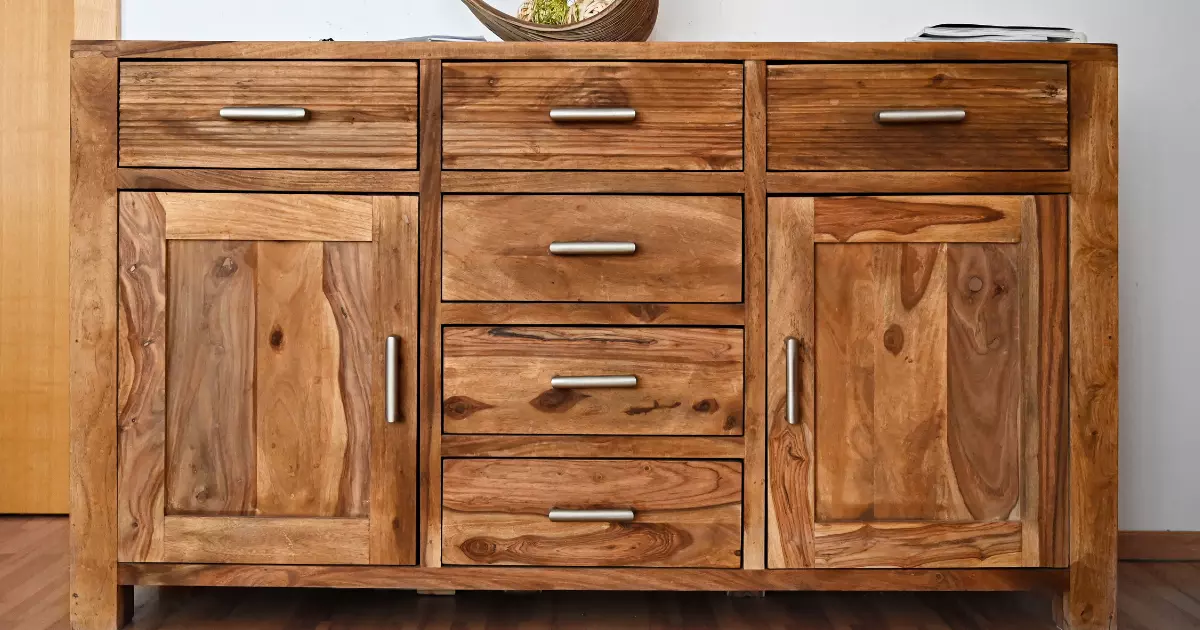
Wood surfaces can become damaged in various ways, leading to unsightly dents and imperfections. Whether it’s due to heavy furniture or improper maintenance, understanding the root causes can help you prevent future damage. Some causes are more predictable than others, such as the natural wear from foot traffic, while others might be due to accidental impacts.
Let’s explore the key reasons behind dents in wood and how to manage them effectively.
Heavy Furniture
Placing heavy furniture on wooden floors or finished wood surfaces without proper protection can easily cause deep dents. The weight of items like sofas, bookshelves, or cabinets can compress the wood, especially in softwood types, leaving marks. To avoid this, use furniture pads or area rugs to distribute weight evenly. Keeping furniture legs padded also helps prevent direct contact with the wooden surfaces, minimizing pressure and long-term damage.
Furniture Movement
Furniture movement is another common cause of dents, particularly when pieces are dragged across floors. This movement can create friction that gradually wears down the surface, leading to shallow scratches or even more severe dents in wood surfaces. When moving furniture, always lift it rather than drag it. Alternatively, place a soft cloth or furniture sliders under the legs to protect the floor.
Foot Traffic
Constant foot traffic over wooden floors can also lead to the development of dents and scratches over time. High-traffic areas like hallways or entryways are particularly vulnerable to damage. To prevent this, place rugs or mats in these areas to absorb the pressure and keep the wood from becoming damaged. Also, make sure that shoes with hard soles are removed before walking on floors to avoid unnecessary wear on the wood.
Improper Cleaning
Using excessive moisture during cleaning can weaken wood fibers, leading to finish damage and dents in furniture and wood surfaces. If excess water is left on the wood for too long, it may swell the fibers and cause a dent in the original shape. Always use a damp cloth or a soft cloth when cleaning wood surfaces, and ensure the cloth is not too wet. Regular maintenance with appropriate cleaning tools can prevent finish failure and extend the life of your furniture and floors.
Accidental Impact
Accidental impacts, such as dropping heavy objects or tools on furniture and wooden surfaces, can leave significant dents. A soldering iron or other sharp items falling on wood boards can cause instant damage. These impacts might leave permanent marks, depending on the severity of the damage. To minimize this, take precautions by keeping sharp or heavy objects away from the surfaces, and using a protective finish can also help reduce the impact of accidents.
Tight Furniture Placement
When furniture is placed too tightly against wooden furniture or wooden floors, it can create unnecessary pressure. Over time, this pressure can cause dents in wood floors or wood boards. Make sure that there is enough space between furniture pieces to prevent constant pressure on the wood. Using furniture pads is also an effective way to avoid placing too much pressure on the wood, allowing it to maintain its natural form and texture.
What Tools Do You Need to Repair Wood Dents?
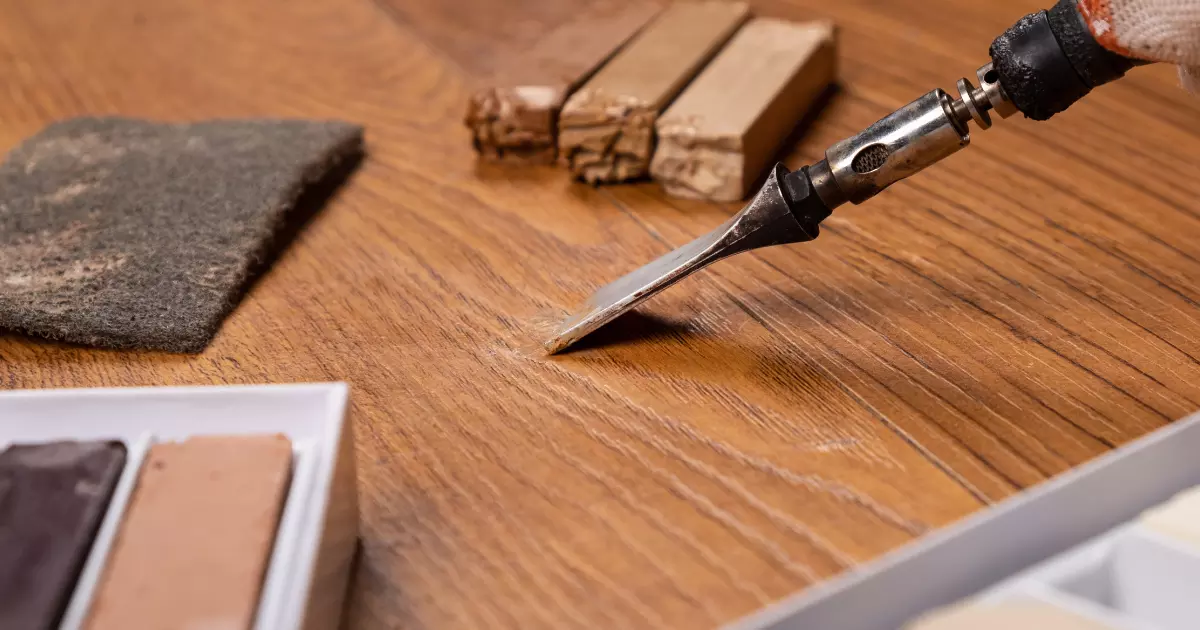
Repairing wood dents requires the right tools for a smooth, effective finish. Whether it’s a deep dent in hardwood floors or a smaller imperfection on wooden surfaces, using the correct tools will make the repair blend seamlessly with the rest of the wood.
Here are some essential tools you can use to restore dented wood to its original shape.
Clothes Iron
A clothes iron is one of the simplest and most effective tools for repairing dents in wood surfaces. By using the hot iron method, you can apply heat and moisture to the dent, causing the wood fibers to swell and return to their original shape. Place a damp cloth over the dent and use the iron on a low setting for a few seconds. This technique works best for shallow dents and is a simple solution to restore the look of your wooden floors or wooden furniture.
Damp Cloth
A damp cloth is essential when using the clothes iron or steam iron method. The cloth holds the moisture that is key to lifting the dent while protecting the wood’s surface. Make sure not to saturate the cloth too much, as excess water can damage wood fibers and cause further problems like swelling or finish damage. It’s important to have the cloth slightly moist, not soaking, to get the best results.
Fine-Grit Sandpaper
After the dent has been raised, use fine-grit sandpaper to smooth the repaired area. Sanding gently helps blend the raised wood into the surrounding surface, ensuring an even finish. It’s crucial to avoid heavy sanding, as it can damage the finish or create scratches on the finished surfaces. Sanding lightly also prepares the area for any touch-up work, like adding wood polish or wood fillers/putty.
Wood Filler
For deep dents that cannot be raised with heat or moisture, wood filler is your next option. This product is used to fill in the damaged area, making it level with the surrounding wood. Once the dent with wood filler is dry, you can sand it smooth and match it to the color of the wood using stain or polish. Be sure to select a wood filler that matches your wood type for the best results.
Wood Polish
After the dent is repaired, wood polish restores the natural shine of the wood and enhances its overall appearance. Applying wood polish after filling dents or sanding helps protect the surface and prevents future dents. Whether you’re working with hardwood material or dented balsa wood, choose a polish that complements your wood’s finish, whether it’s lacquer finish, gloss finish, or a more subtle water-based finish.
Soldering Iron
A soldering iron can be used for more precise heating, especially in smaller or more intricate dent repairs. The flat-tip soldering iron or heat shrink iron options are ideal for applying controlled heat directly to the damaged area. Be careful not to overheat the wood, as this can cause finish damage or burn marks. This method is often useful for dented wood floors or wood boards that need targeted heat treatment.
Wet Washcloth
A wet washcloth is another tool for use when repairing dents with moisture. It can be used to apply controlled moisture to the dented area before using a clothes iron. The wet washcloth also helps clean up any excess moisture after a repair is completed, ensuring the wood doesn’t absorb too much water that could lead to finish damage. It’s an easy way to remove any residual moisture without causing harm to the wood.
Wax Sticks
For small, surface-level dents in wood, wax sticks can be a quick fix. These wax-based products fill in minor dents and scratches, and when buffed, they blend well with the surrounding wood. Furniture-patching wax sticks are especially useful for wooden furniture and other small repairs where sanding might not be necessary. Just melt the wax and apply it to the dented wood, then wipe off excess wax for a smooth, glossy finish.
What Methods Can You Use to Repair Wood Dents?
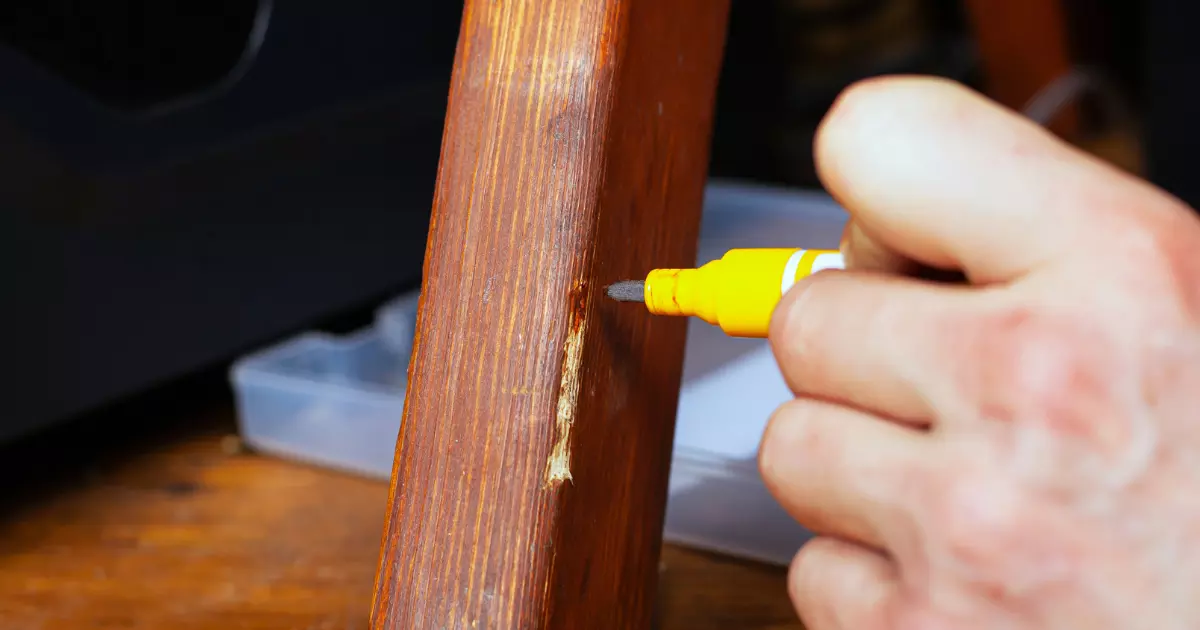
Restoring dented wood requires different methods depending on the depth of the damage and the type of wood. A shallow dent in softwood may only need moisture and heat, while a deep dent in hardwood floors might require filling and sanding. The right repair method helps maintain the original shape of the wood and prevents further finish damage.
Below are several effective techniques to repair dents in wood surfaces and restore their natural beauty.
Hot Iron Method
The hot iron method is a simple solution for lifting dents on wooden floors and wooden surfaces. This technique works by expanding the compressed wood fibers using steam. Place a damp cloth over the dent and apply a hot clothes iron or steam iron for a few seconds. The heat causes the wood to absorb moisture, helping it return to its original shape. However, excessive heat or excess water can damage finished surfaces, so avoid prolonged exposure.
Wood Filler
For deep dents that cannot be raised with heat, wood fillers/putty provide a lasting fix. These fillers restore the dented area and blend well with the surrounding wooden surfaces when sanded and finished properly. Apply the dent with wood filler, let it dry, and smooth it with fine-grit sandpaper. Use wood polish to match the color of the wood, ensuring the repair remains invisible. This method is best for dented wood floors, hardwood material, and finished wood that has suffered permanent dents.
Soldering Iron Method
A soldering iron can be used for more controlled heat application on dented wood. This method is useful for precise dent repairs where a hot iron might be too large or aggressive. By applying heat directly to the damaged wood boards, the compressed wood fibers can expand. However, this method requires care, as improper use of a soldering iron or heat shrink iron can cause burns or finish failure.
Water Treatment
For minor dents, a dent with water method can restore wood fibers without additional tools. Apply a small amount of water to the dent using a wet washcloth or damp paper towel. The wood will slowly absorb moisture, causing the compressed fibers to swell. This technique works well on softwood heavy-duty and wooden furniture, but excessive moisture can lead to damage on lacquer finish or gloss finish surfaces.
Wax Filling
For minor dents and shallow scratches, wax sticks or furniture-patching wax sticks provide an easy fix. Simply rub the wax over the dented wood floor or piece of furniture and buff it to match the surrounding surface. This method is ideal for normal wood surfaces where sanding might not be necessary. The wax filling is best used on coffee tables, pine tables, and finished tables that require minimal repairs without altering the protective finish.
What Preventative Measures Can Help Avoid Future Dents?
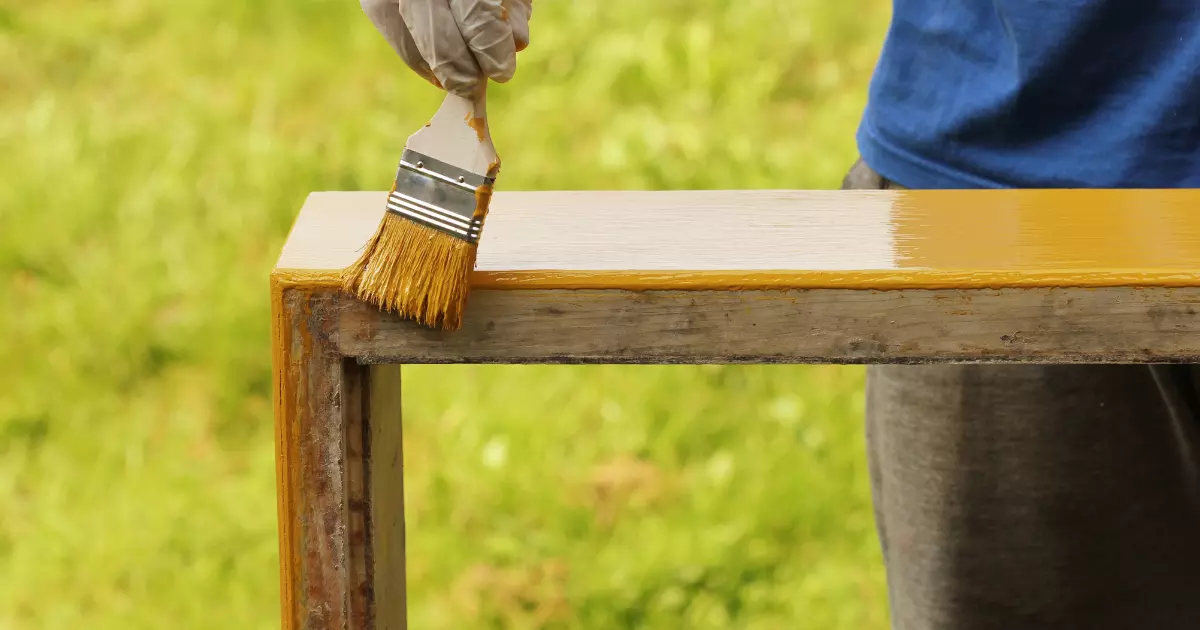
Preventing dents in wood surfaces requires simple adjustments to how furniture and flooring are maintained. Heavy objects, improper movement, and lack of protective materials can lead to long-term damage, affecting the finished surfaces of wooden floors and wooden furniture. Without precautions, even a piece of furniture can leave a deep dent or cause dents in wood floors.
Below are effective ways to keep your wood surfaces dent-free.
Use Furniture Pads
Furniture pads prevent dents in wood by distributing weight evenly and reducing direct contact between heavy furniture and hardwood floors. Placing pads under chairs, sofas, and tables protects wood boards from compression. Felt or rubber pads work best for hardwood surfaces, while plastic options suit softwoods. These pads also help reduce friction, preventing the floor produce scratches and scuffs on finished wood. They are an easy and cost-effective way to preserve wood without altering its color of wood or finish.
Regular Maintenance
Routine care keeps wooden surfaces in good condition and prevents dents in wood develop over time. Cleaning with a damp cloth removes dust that can wear down the protective finish and cause finish damage. Avoid using excess water, as it can weaken wood fibers and contribute to swelling, leading to a dent in wood floors. Polishing with high-quality wood polish helps maintain the gloss finish and prevents deterioration. Regularly checking for small dents allows for quick repairs before they get serious.
Proper Furniture Placement
Incorrect furniture placement creates unnecessary pressure points that lead to dented wood floors and dents on wood surfaces. Spacing out furniture prevents localized damage, especially in high-traffic areas. Distributing weight across multiple points minimizes stress on wood boards. Avoid placing heavy furniture too close to walls, where movement restrictions can create additional strain on hardwood flooring.
Use Rugs or Mats
Placing rugs or mats in key areas reduces the risk of dents in wood floors, particularly in spaces with heavy foot traffic. Thick rugs provide a cushion that absorbs impact and prevents shallow dents from forming. Mats work well under dining tables and sofas, protecting wooden floors from long-term weight stress. When selecting rugs, choose materials that won’t trap moisture, as residual moisture can lead to finish failure or wood warping.
Avoid Dragging Objects
Dragging furniture across wooden floors causes gouges in hardwood floors and dented wood over time. Lift and carry heavy items instead of pulling them to prevent damage. If lifting isn’t possible, place a soft cloth or piece of cloth underneath to create a buffer. Using furniture sliders reduces friction, keeping hardwood surfaces free from deep scratches. Being mindful of movement helps maintain normal wood surfaces and prevents unnecessary wear.
Control Furniture Movement
Unstable furniture shifts slightly over time, leading to dents in wood surfaces and uneven pressure distribution. Securing furniture with furniture pads or stoppers prevents unnecessary movement. Custom wood chairs, stools, and recliners are the most common culprits of dented wood floors due to repetitive shifting. Stoppers or rubber grips prevent unwanted sliding, reducing the chance of shallow dents in hardwood flooring.
Wrapping Up
Knowing how to repair wood dents helps keep your wooden floors and furniture looking great. Whether it’s a small dent from everyday use or a deep dent from heavy furniture, fixing it quickly keeps your wood strong and smooth. With the right method, you can bring back its original shape and avoid further damage.
Instead of spending hours trying to fix dents yourself, let Man Caves & More handle it for you. Our team knows how to repair dents in wood surfaces the right way, making them look as good as new. We go beyond quick fixes to give you long-lasting results that keep your wood looking polished and dent-free. Check out also the types of wood for furniture for a better understanding of which materials are more resistant to wood dents.
Skip the hassle—let Man Caves & More bring your wood back to life. Contact us today at 303-868-1370 for expert wood repair!